
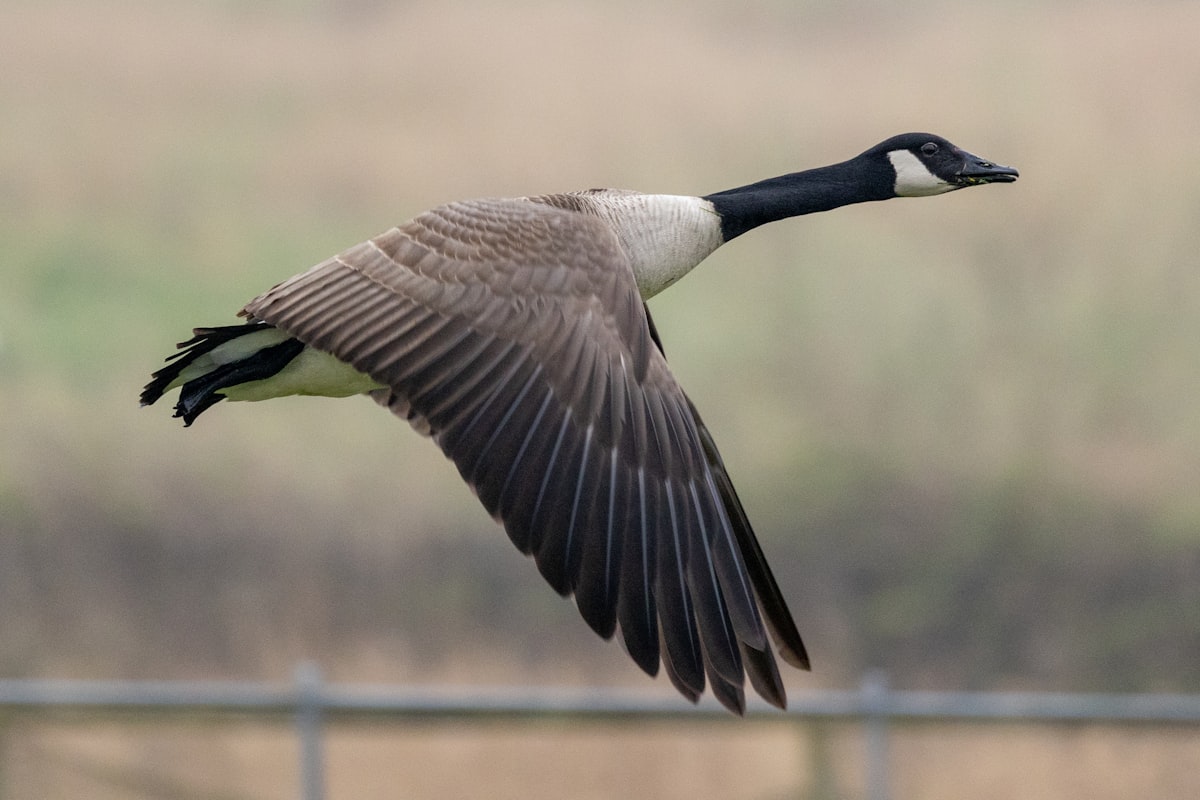
A dragon boat crew knows the water better than most — the early launches, the mist on the surface, and the rhythm of a whole team of paddles moving as one. Anyone who spends mornings on the water also knows the sound overhead: the honking of Canada geese crossing in formation, a flock gliding in the same effortless unison a good crew chases all season. There is a beautiful, old-fashioned way to answer that sound, and it happens to be one of the friendliest tools for a newcomer to pick up: the flute style goose call.
What a Goose Flute Is
Goose calls come in two broad families. The short-reed call is powerful but demanding, with a steep learning curve. The flute, by contrast, is the older, more forgiving design — a longer barrel that produces a deep, natural honk without the fussy air control a short-reed requires. That is exactly why it has quietly stayed a favorite for so long, especially with people just learning to talk to geese.
Why Flute Style Wins Fans
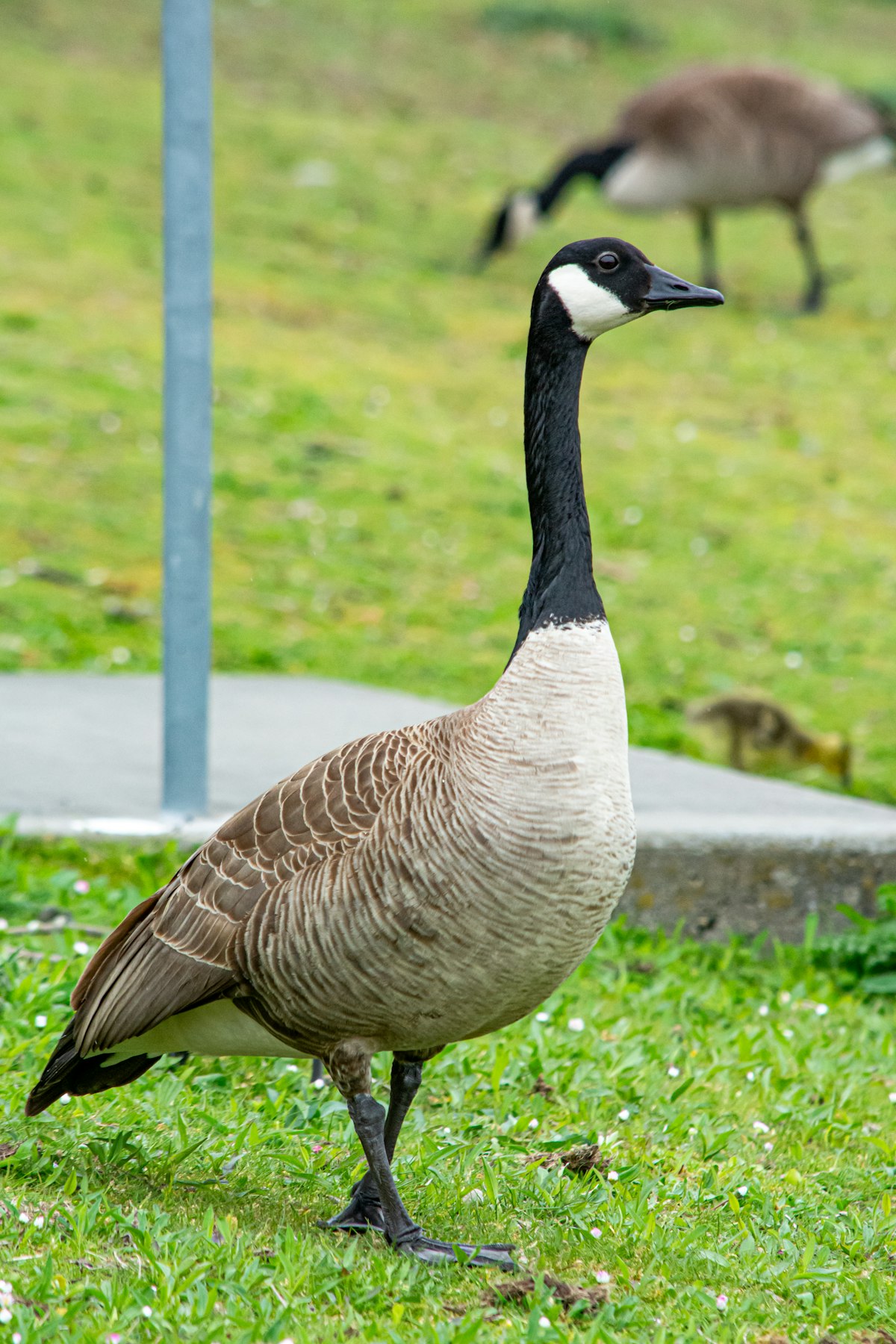
The flute rewards a beginner with a rich, believable tone almost right away, then keeps giving as your skill grows. It is smooth on the honk, easy on the moan, and hard to make sound truly bad. For anyone who wants a call that is a pleasure to learn on, well-made flute style goose calls are tough to beat — many are turned from wood, which adds a warm, resonant character all their own.

Watch: How to Blow a Goose Flute — Northern Duck Calls (YouTube)
Finding the Rhythm
Like any wind instrument, it comes down to breath and cadence. The power comes from the diaphragm, not the lips, and the three building blocks are the honk, the cluck, and the low moan. Start slow, get one clean honk, then string them into a rhythm. Paddlers will recognize the feeling: it is all about timing and repetition until the motion becomes second nature.
Moving as One
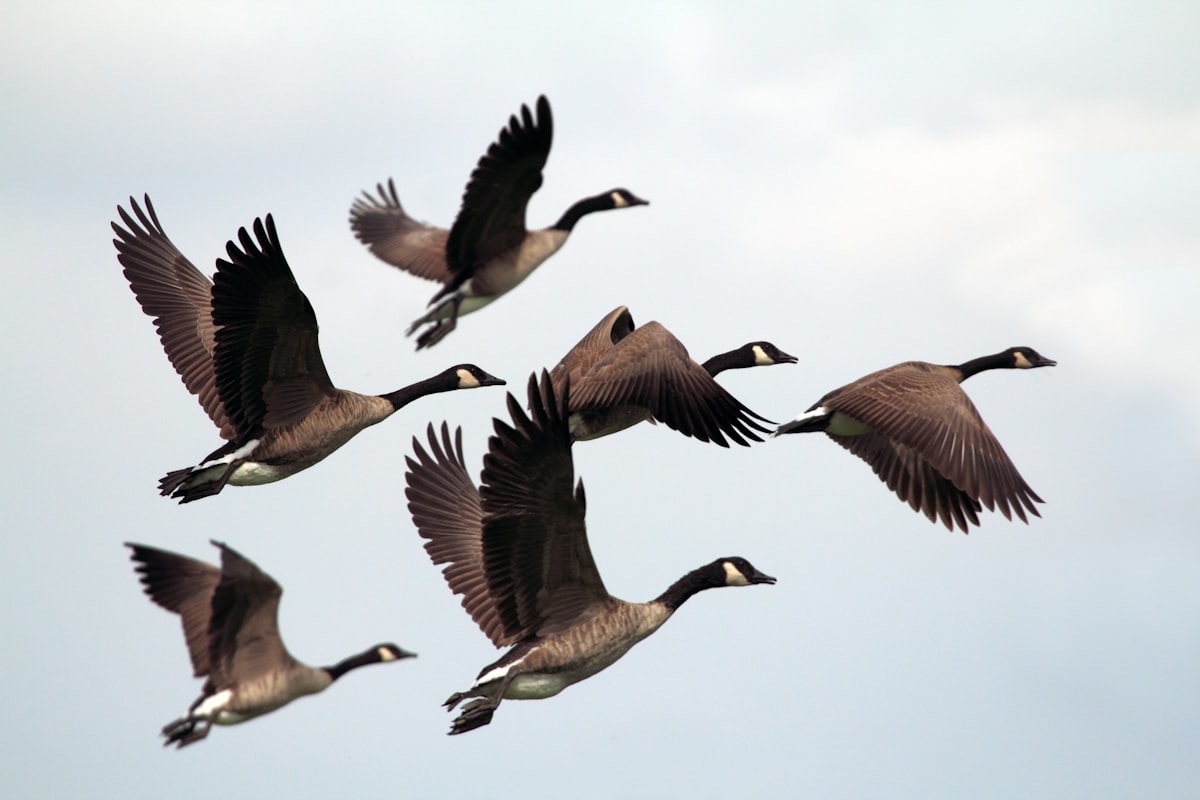
There is a nice symmetry to it. A flock of geese and a boat full of paddlers both depend on the same thing — a shared rhythm that turns individuals into a single moving unit. Learn the flute and you get to join that conversation for a moment, calling to the very birds whose formation looks so much like a crew in perfect time.




 A dragon boat race is an enjoyable experience to watch and take part in. The paddlers love the workout and being able to do it alongside of others that they share a close bond with. Spectators enjoy seeing the beautiful boats and trying to figure out who will come out on top at the end of the race. These boats have a unique appeal that is nothing short of awe inspiring. Each boat is unique from all others, and it does require teams to put thought into the casting of their dragon heads.
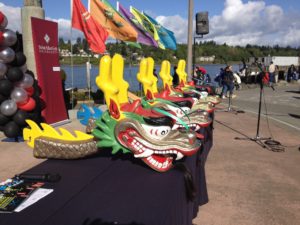 When you see a dragon boat, there is no denying what it is. Virtually every boat in a dragon boat race or event will have an ornate dragon head or some other type of figurine on the bow of it. Often, the dragon’s head that you see will be a representation of the team that spends their time on it. It is usually colors that they picked as a team and the head itself may tell a story. When you see a dragon on the bow, it is a symbol of power, courage, perseverance, and ambition. All the qualities that make a up a good team that wants to face their challenges head on. However, the true challenge comes from designing and building the boat, with its beautiful figurine on the front.
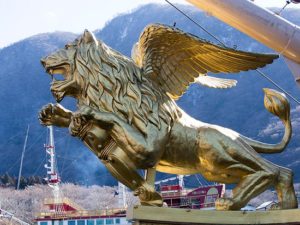 Throughout history, dragon boats have gone through several changes regarding how they were constructed. At one time, they were carved out of wood and then painted to look the “right” way. A true Chinese dragon boat will have a dragon head that implements the head of a camel, deer horns, ears that resemble a bull’s ears, rabbit eyes, 117 carp scales, tiger paws, eagle claws, and the neck of a snake. Today, a lot of boats are made using a mold that is approved of by the IDBF. Many of these molds
 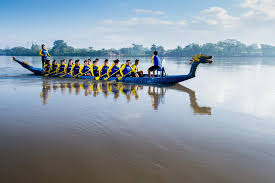 If you are seeking a fun exercise that will push you to the limit while remaining fun, then paddling is definitely something you should consider. If you are already good with a paddle in your hand, you may even try out one of the many Dragon Boat Teams that are scattered in all areas of the world. There are men’s and women’s teams and all it takes to participate is being willing to commit yourself to the team. If you can do this, you may even be invited to join in one of the many competitions that are available to pit one team against another.
 A dragon boat is a human powered boat that got its start in the Guangdong Province of China. The first ones were made of teak wood. The boat is very long, and 18-20 people can sit inside of it. A smaller boat is also available for 8-10 people at max capacity. The history of these boats is extensive. There is some proof that even boating on a competitive level in these boats can be traced back to more than 2500 years ago in central China. Since then, they have been used for water rituals, festivals, and more to celebrate the Chinese dragon water deity.
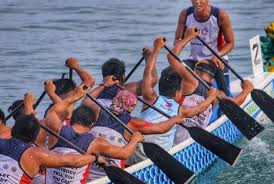
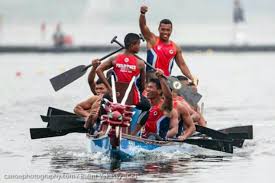 In most cases, a competitive boat will hold 22 people. There are 20 paddlers who face the front of the boat and row in perfect unison to keep the boat moving forward. There is also a drummer on the boat. The drummer sits at the front and produces a “heartbeat” for the dragon. It is a very rhythmic drum beat and matches the paddlers’ strokes. Their job is also to give hand signals and communicate to the rowers to encourage them to do their best. In many cases, the drummer is required to be active and on board during an event, but practice and other times may not require them. A good crew can paddle in unison without the beat of a drum to help them stay in sync.
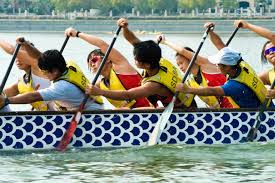 On a dragon boat, there isn’t a lot of extra space for personal items. Most things have to stay on the shore and it’s a very good thing that paddlers are in good physical health. They are made for speed, not comfort, and definitely not for holding a lot of extra things. For this reason, there is nothing resembling a motor on board, and therefore batteries and such are not normally needed. The only power that can fit on board is the power that paddlers can put into getting it across the water. However, at times, there may be a need for these small boats to make use of a dragon boat power system.
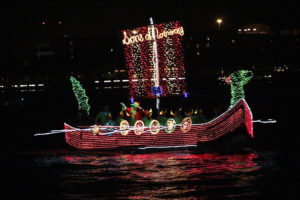 If you ever look at a paddling team, you know why a motor is not something they require. They have more power in their arms than most of us have in our entire body. How could they not have it, since all of their practice time is spent pushing water out of the way of their boat? However, at times, some dragon boats do need a little power that cannot be man-made. During these times, they may want to put lights on the boat for a Christmas parade, a radio to help them keep the beat on days when the drummer may be out, or just to make practice a little more enjoyable. Since the space is so confined on one of the long canoes, you may have to wonder where a full-sized battery is going to fit.
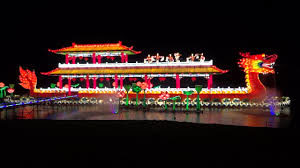 Most teams sit in the boat with their legs along the side of it to make room for the person in front of them to sit. This means that there is virtually no room for anything more to squeeze in. The only real option for these boats is a small marine battery, which may sit near the drummer, or at the very back of the boat. To ensure the safety of all on board, they may also have to put this battery in a small
 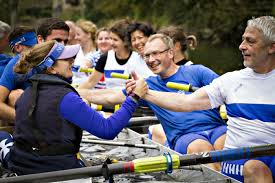 Paddling is a competitive sport at times. However, without team work, you wouldn’t be able to have a successful paddling team. The teams have to work together through every part of the race. They spend hours practicing together and some very
 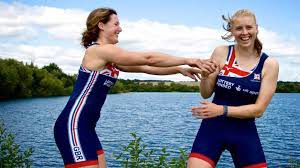 A nickname is more than just a word. It goes beyond a name and makes things more personal. Parents have them for their children, partners in a relationship may have them for one another, and they are also quite common in a group of friends. You may have the “nerd” or the “playboy”. Sometimes they are fun nicknames about a particular personality trait for that person that sets them apart. It builds a
 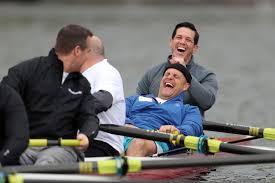 Nicknames are given to show that you are