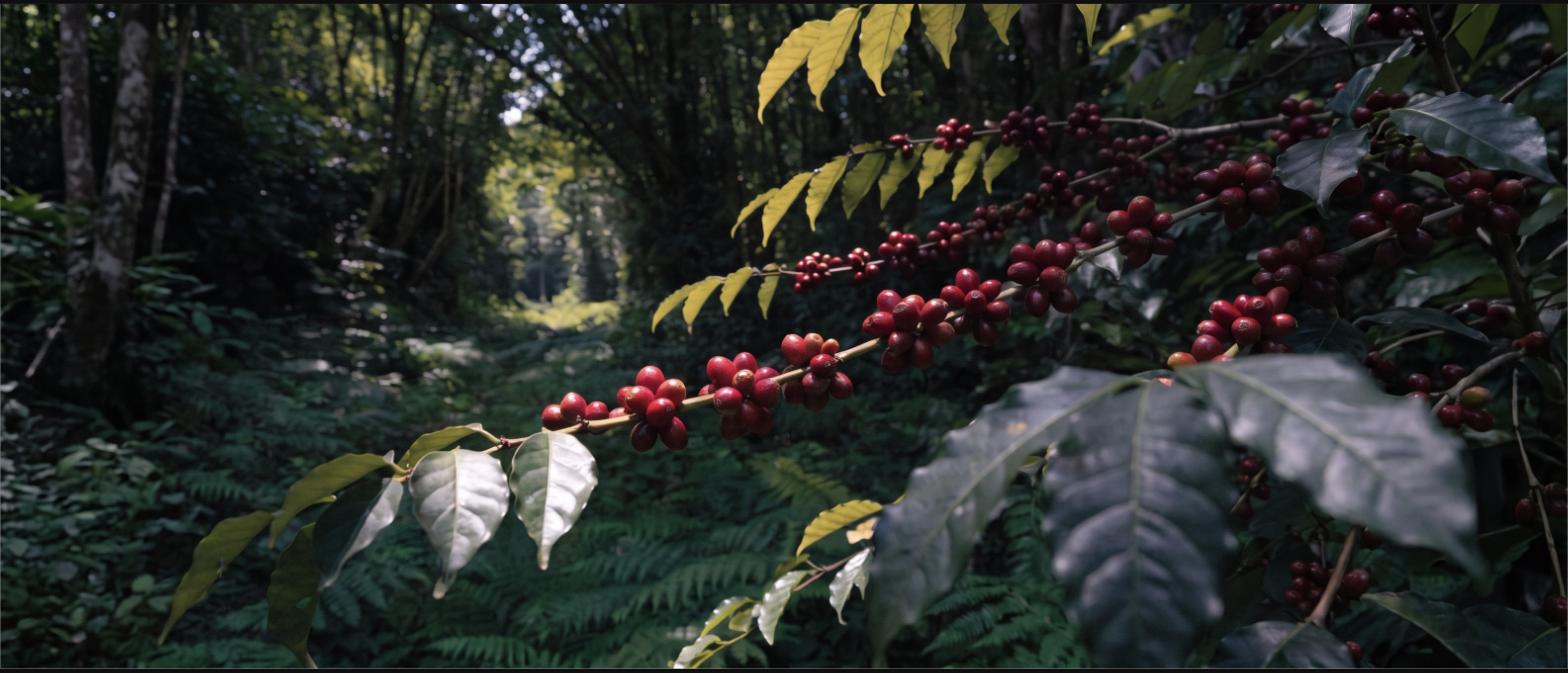
Anyone who has trained with a paddling crew knows the hour. It is dark, it is cold, the water has not woken up yet, and somebody is holding a thermos. Coffee is practically part of the kit for a dragon boat club, which makes it worth knowing where the stuff in the thermos actually comes from. Some of it is grown in a way that keeps forests standing. Most of it is not.
Sun Versus Shade
Coffee is naturally an understory shrub. Left alone it grows beneath taller trees, which is how it was farmed for centuries. From the 1970s onward much of the industry shifted to sun-grown varieties planted in cleared rows in full sunlight, because sun-grown coffee ripens faster and yields more per acre.
The catch is what the clearing costs. Sun plantations need more fertilizer and more pesticide, because the ecosystem that used to do that work has been removed. They exhaust soil faster. And they replace forest with monoculture on hillsides that were holding the soil in place.
What the Shade Does
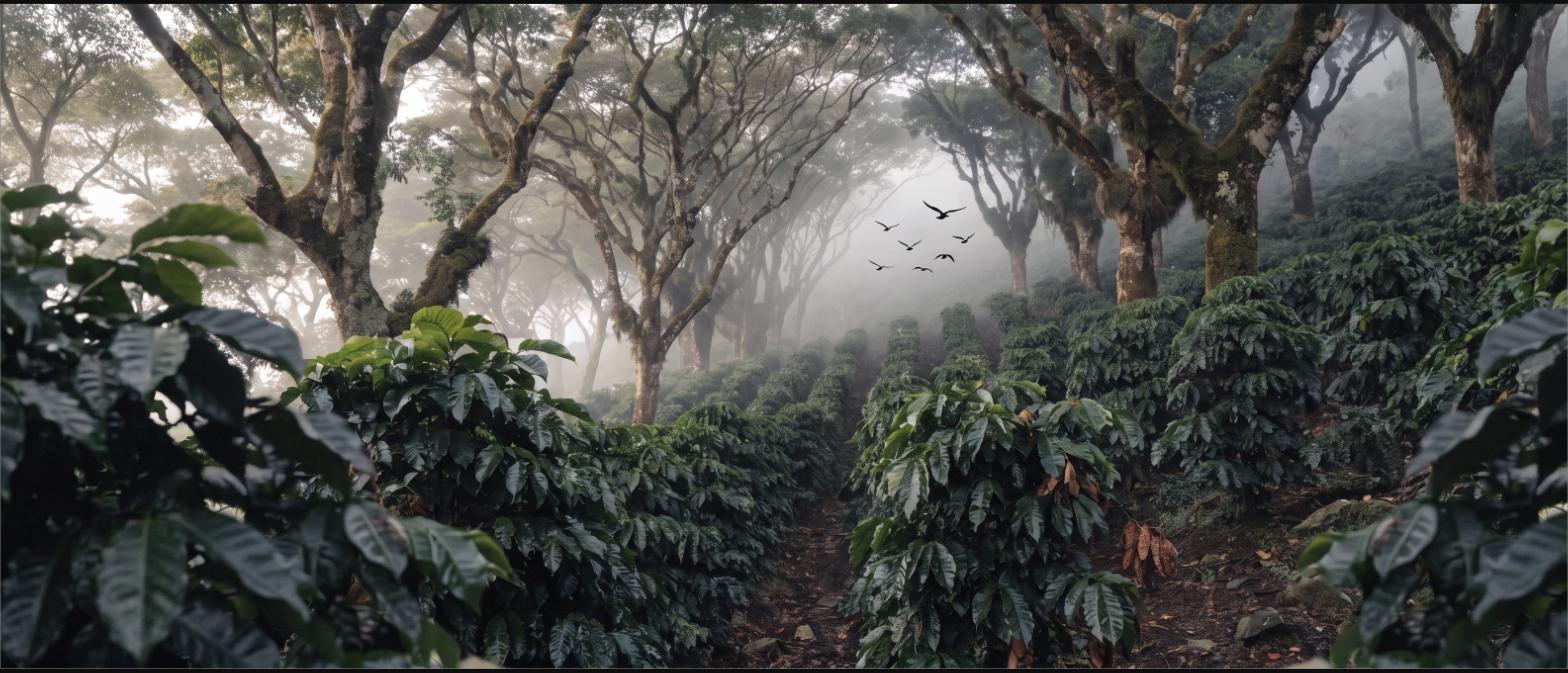
A shade farm keeps the canopy, and that canopy is habitat. Shaded coffee farms support far more bird species than sun plantations, which matters most for the North American migratory songbirds that spend their winters in exactly those Latin American highlands. The Smithsonian Migratory Bird Center built its Bird Friendly certification around that finding, and it remains the strictest shade standard going.
There is a flavor argument too. Shaded cherries ripen more slowly, and slower ripening tends to develop more sugar and more complexity in the cup. Slower being better is an idea any endurance athlete recognizes. A clear primer on shade coffee and why it matters is worth reading before your next bag.
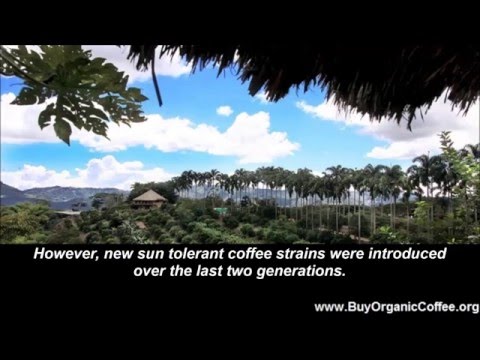
Watch: What Is Shade Grown Coffee? (YouTube)
How to Actually Find It
The phrase shade grown is not regulated, so on its own it means very little. Bird Friendly certification is the one with real teeth, because it sets a minimum canopy cover and height and requires organic certification on top. Rainforest Alliance is broader and easier to earn but still meaningful. Beyond labels, a roaster who names the farm and the altitude usually knows how the coffee was grown, and will tell you if you ask.
It costs a little more. Not much on a per-cup basis, and roughly what one training session is worth.
Worth the Extra Dollar
Clubs like ours spend a lot of time thinking about conditions, weather and the state of the river. Caring what happens to a hillside in Colombia is not a big leap from that. Buy the shaded stuff, fill the thermos, and get down to the dock.